Patient Education
The Hidden Danger of an Ill-Fitting Crown: How a "Small" Gap Can Cost You Your Gums and Bone
You got a crown. The pain is gone, the tooth looks white, and life moves on. But what if the crown that "fixed" your tooth is quietly destroying the tissue around it — for years, without a single symptom you'd notice until real damage is done?
As a prosthodontist, this is one of the most common problems I see walk through my clinic door: patients who did the "right thing" by getting a crown or bridge, but the fit was never accurate. And nothing about it hurt — until it did.
Why the Fit of a Crown Matters More Than Its Looks
A crown or bridge isn't just a cosmetic cap sitting on your tooth. It has to recreate the exact anatomy of a healthy tooth at the point where it meets your gum — called the margin. When that margin is even slightly off, one of two things usually happens:
- Overhang: the crown edge extends past where the natural tooth ends, creating a ledge under the gum
- Open margin: there's a visible or microscopic gap between the crown and the tooth
Both create the same result: a spot that's nearly impossible to clean properly, no matter how well you brush or floss.
How a Bad Margin Turns Into Bone Loss
Here's the chain reaction that unfolds silently over months and years:
- Plaque builds up in the gap or under the overhang, because your toothbrush and floss physically cannot reach it
- The gum becomes chronically inflamed (gingivitis) — it may look slightly red or bleed when you brush, but many people ignore this or think it's normal
- Inflammation spreads deeper, breaking down the ligament and bone that anchor your tooth in place — this is periodontitis
- Bone loss becomes irreversible. Unlike gum tissue, lost bone around a tooth does not grow back on its own
- The tooth becomes loose, and in advanced cases, is lost entirely — meaning the crown or bridge that was supposed to save your tooth ends up costing you the tooth itself
The cruel part? This entire process can happen with almost no pain. Bone loss doesn't hurt until it's advanced. Many patients only discover the damage on an X-ray, years after the crown was placed — by then, the fix is far more complex and expensive than it would have been originally.
Why This Happens More Than People Realize
An accurately fitting margin requires:
- Precise tooth preparation with the right depth and geometry
- Meticulous impression technique (digital scanning or physical impressions) that captures fine detail at the gumline
- A skilled dental lab that respects that detail during fabrication
- A dentist trained to evaluate and reject a poorly fitting restoration before it's cemented
Skipping any one of these steps — often to save time or cost — is how ill-fitting crowns end up in mouths every day. It's rarely visible to the patient at delivery. The crown looks fine, feels fine, and only reveals the problem years later.
Bridges: The Same Problem, Multiplied
With a bridge, the stakes are higher. A poorly fitting bridge doesn't just threaten one tooth — it puts every abutment tooth supporting it at risk, along with the gum and bone beneath the connecting section (the pontic). Cleaning under a bridge is already harder than cleaning a single crown; an inaccurate fit makes it nearly impossible, accelerating bone loss under multiple teeth at once.
A Case From Practice
The following images summarize the issue clearly.
Before correction
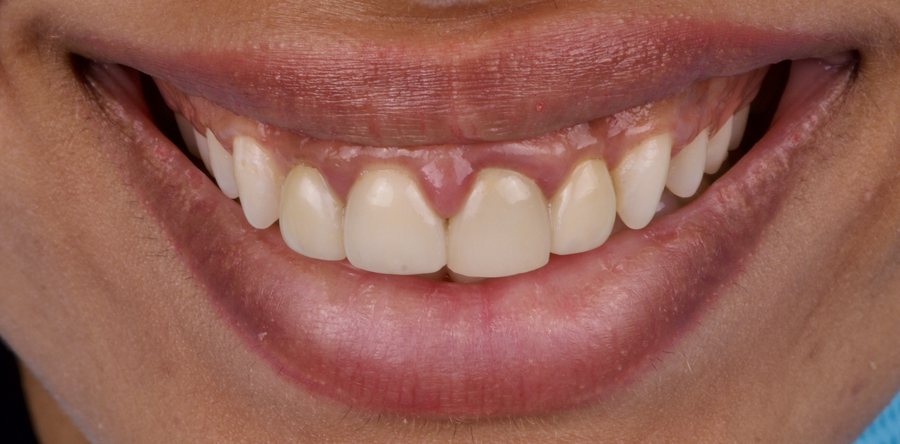
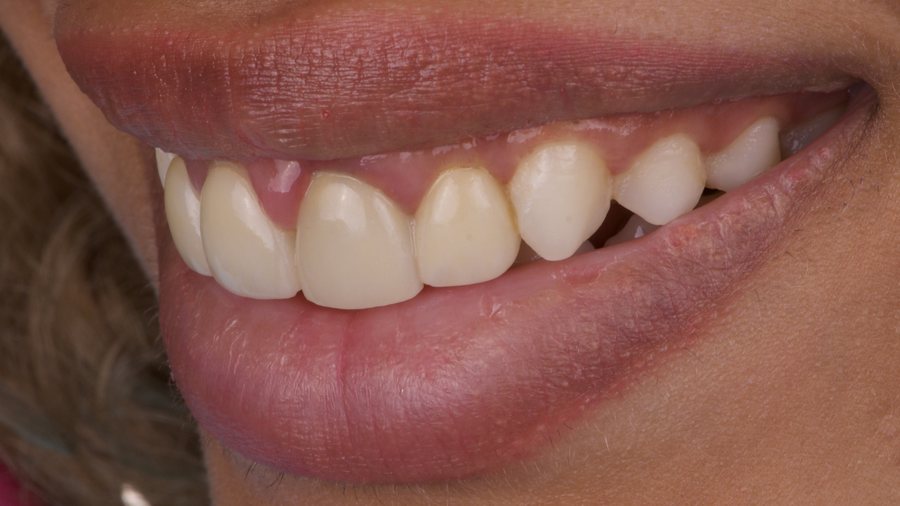
Condition before correcting the marginal fit of the crowns at the gumline.
After correction
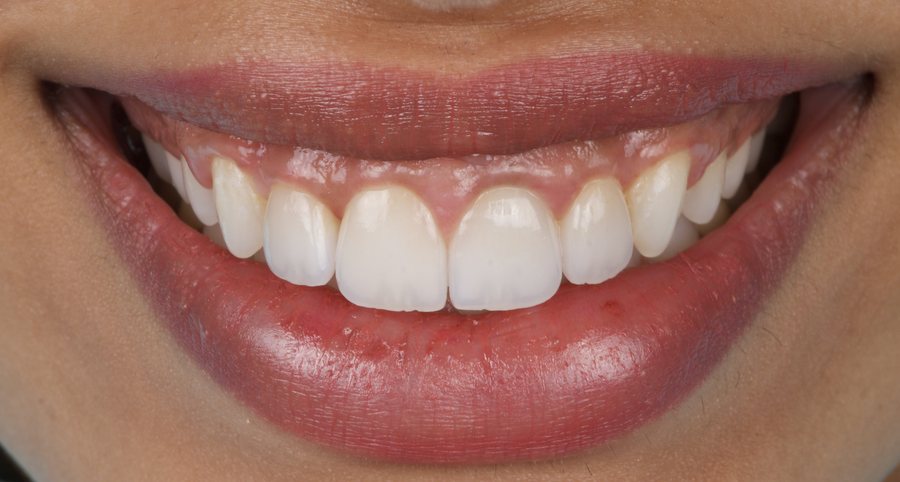
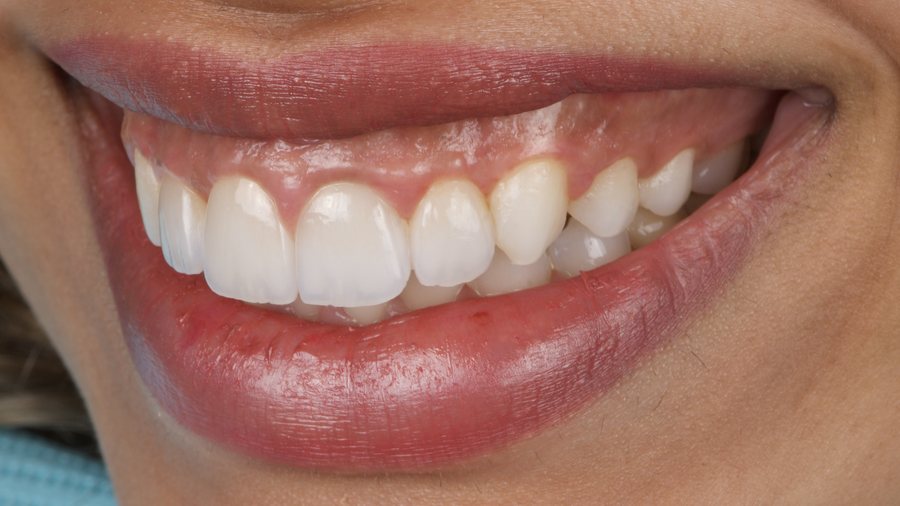
Condition after retreatment with well-fitting crowns at the tooth margin, with the gum returning to a healthy state.
What You Can Do
- Ask your dentist to show you the fit of your crown or bridge before and after cementation, especially at the gumline
- Get periodic checkups and X-rays — bone loss is often invisible to the eye but clear on radiographs
- Watch for warning signs: persistent bleeding when brushing near a crown, bad taste or odor localized to one tooth, or gum recession around a restoration
- Choose a dentist who prioritizes precision over speed — a well-fitting crown takes more time, more attention to impression detail, and often a trusted, quality-focused lab
If it's been years since your crown was placed and you've never had it evaluated for fit and gum health, it's worth a checkup — before a gap you can't see becomes bone loss you can't reverse.